Little Bighorn Battlefield National Monument: Preserving History in Montana's Vast Landscape
Nestled in the rolling hills of southeastern Montana, the Little Bighorn Battlefield National Monument stands as a solemn testament to one of the most iconic clashes in American history. This site, forever etched in the collective memory, bears witness to the Battle of the Little Bighorn, a defining moment in the conflict between the indigenous peoples of the Great Plains and the encroaching forces of westward expansion. With its sprawling landscape and poignant memorials, the monument offers visitors a poignant reflection on the complex narratives of conquest, culture, and sacrifice that shaped the American West.
Historical Context:
The roots of the conflict that unfolded at Little Bighorn can be traced back to the mid-19th century when tensions escalated between Native American tribes and the U.S. government. The relentless westward expansion, fueled by the discovery of gold in the Black Hills, prompted numerous tribes, including the Sioux and Cheyenne, to resist the encroachment on their ancestral lands. As a result, the stage was set for a confrontation that would go down in history.
The Battle:
In June 1876, the clash reached its climax at the Little Bighorn River. Led by revered leaders such as Sitting Bull, Crazy Horse, and Gall, a coalition of Native American forces clashed with the U.S. Army's 7th Cavalry Regiment, commanded by Lieutenant Colonel George Armstrong Custer. The battle was fierce and brutal, resulting in a resounding victory for the Native American forces and the death of Custer and nearly 200 of his men.
Exploring the Monument:
Today, the Little Bighorn Battlefield National Monument encompasses a vast area where visitors can explore the historic landscape and gain insights into the events that unfolded on that fateful day. The Visitor Center serves as an excellent starting point, providing a wealth of information through exhibits, artifacts, and multimedia presentations that detail the complex historical context and the individuals involved in the battle.
The Custer National Cemetery, located within the monument, is the final resting place for soldiers who lost their lives in the battle. Rows of white marble headstones stand in solemn tribute, each bearing witness to the sacrifices made on both sides of the conflict. The serene landscape provides a poignant backdrop for contemplation, inviting visitors to reflect on the human cost of westward expansion.
Interpretive Trails:
For those eager to explore the battlefield itself, a network of interpretive trails winds through key locations, offering a tangible connection to the past. The Last Stand Hill trail takes visitors to the very spot where Custer and his men made their ill-fated last stand, with markers indicating the movements of both Native American and U.S. Army forces during the battle. As visitors walk the trail, they can visualize the unfolding chaos and understand the strategic decisions that shaped the outcome.
The Deep Ravine trail leads to the ravine where a portion of the U.S. Army retreated during the battle. This trail provides a different perspective, allowing visitors to imagine the desperation and confusion that characterized the moments of retreat. The landscape, with its undulating terrain and sweeping vistas, adds to the immersive experience, transporting visitors back to the turbulent days of 1876.
Cultural Significance:
Beyond its historical importance, Little Bighorn Battlefield holds deep cultural significance for Native American communities. The monument is a place of remembrance and reflection, where the stories of resistance, resilience, and loss are acknowledged and preserved. Efforts have been made to incorporate Native American perspectives into the interpretation of the site, ensuring a more comprehensive and respectful narrative that recognizes the diverse cultures and histories of the Plains tribes.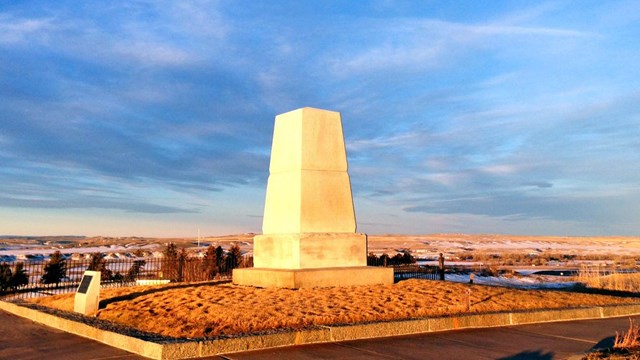 Preservation Challenges:
Preserving the Little Bighorn Battlefield is not without its challenges. The natural elements, including erosion and weathering, pose a continuous threat to the integrity of the site. Efforts to strike a balance between accessibility and conservation are ongoing, with the National Park Service implementing measures to protect the landscape while ensuring that visitors can experience the historical richness of the area.
Visitor Experience and Education:
The Little Bighorn Battlefield National Monument is committed to providing a meaningful and educational experience for its visitors. Ranger-led programs, guided tours, and educational outreach initiatives aim to deepen the understanding of the historical events that unfolded on the site. These programs not only offer a comprehensive overview of the Battle of the Little Bighorn but also delve into the broader historical context of the era, fostering a nuanced understanding of the complexities that defined the American West.
Conclusion:
In the heart of Montana, the Little Bighorn Battlefield National Monument stands as a poignant reminder of a pivotal moment in American history. Its sweeping landscapes, interpretive trails, and memorial markers collectively weave a narrative of conflict, courage, and consequence. As visitors walk the hallowed grounds, they are invited to contemplate the multifaceted legacy of the Battle of the Little Bighorn – a legacy that continues to shape the cultural tapestry of the United States. This monument, with its commitment to preservation and education, ensures that the stories of the past are not forgotten, inviting present and future generations to engage with the complexities of the nation's history.
Preservation Challenges:
Preserving the Little Bighorn Battlefield is not without its challenges. The natural elements, including erosion and weathering, pose a continuous threat to the integrity of the site. Efforts to strike a balance between accessibility and conservation are ongoing, with the National Park Service implementing measures to protect the landscape while ensuring that visitors can experience the historical richness of the area.
Visitor Experience and Education:
The Little Bighorn Battlefield National Monument is committed to providing a meaningful and educational experience for its visitors. Ranger-led programs, guided tours, and educational outreach initiatives aim to deepen the understanding of the historical events that unfolded on the site. These programs not only offer a comprehensive overview of the Battle of the Little Bighorn but also delve into the broader historical context of the era, fostering a nuanced understanding of the complexities that defined the American West.
Conclusion:
In the heart of Montana, the Little Bighorn Battlefield National Monument stands as a poignant reminder of a pivotal moment in American history. Its sweeping landscapes, interpretive trails, and memorial markers collectively weave a narrative of conflict, courage, and consequence. As visitors walk the hallowed grounds, they are invited to contemplate the multifaceted legacy of the Battle of the Little Bighorn – a legacy that continues to shape the cultural tapestry of the United States. This monument, with its commitment to preservation and education, ensures that the stories of the past are not forgotten, inviting present and future generations to engage with the complexities of the nation's history.
No comments