Mesa Verde National Park (Colorado): Unveiling the Ancient Cliff Dwellings and Cultural Heritage
Nestled in the southwestern corner of Colorado, Mesa Verde National Park stands as a testament to the rich cultural history of the indigenous peoples who once called this region home. Renowned for its mesmerizing cliff dwellings and archaeological sites, Mesa Verde offers visitors a captivating journey through time, allowing them to explore the unique lifestyle and architectural marvels of the ancestral Puebloans.
Auto Refresh and Link Loop
In this article, we will delve into the fascinating story of Mesa Verde National Park, from its geological formation to the preservation of its invaluable cultural heritage.
Geological Formation
Mesa Verde, Spanish for "green table," is aptly named for the forested plateaus that define the region. The park is situated on the Montezuma Valley's southern edge, and its landscape is characterized by expansive mesas, deep canyons, and dramatic cliffs.
The geological history of Mesa Verde dates back millions of years when the region was submerged by an inland sea. Over time, uplifting and erosion sculpted the landscape, creating the striking formations we see today.
Ancestral Puebloans: The Early Inhabitants
The history of Mesa Verde is intimately tied to the Ancestral Puebloans, also known as the Anasazi, who inhabited the area from approximately 600 to 1300 AD. These ancient people were skilled farmers, cultivating maize, beans, and squash in the challenging conditions of the high desert.
They also developed intricate pottery and basket-weaving techniques, leaving behind a rich material culture that provides insights into their daily lives.
As the Ancestral Puebloans' population grew, they began to construct elaborate cliff dwellings and pueblos, taking advantage of the natural alcoves and caves in the sandstone cliffs of Mesa Verde.
These dwellings served both practical and symbolic purposes, providing shelter, storage, and defense while also reflecting the spiritual beliefs of the inhabitants.
Cliff Dwellings: Architectural Marvels
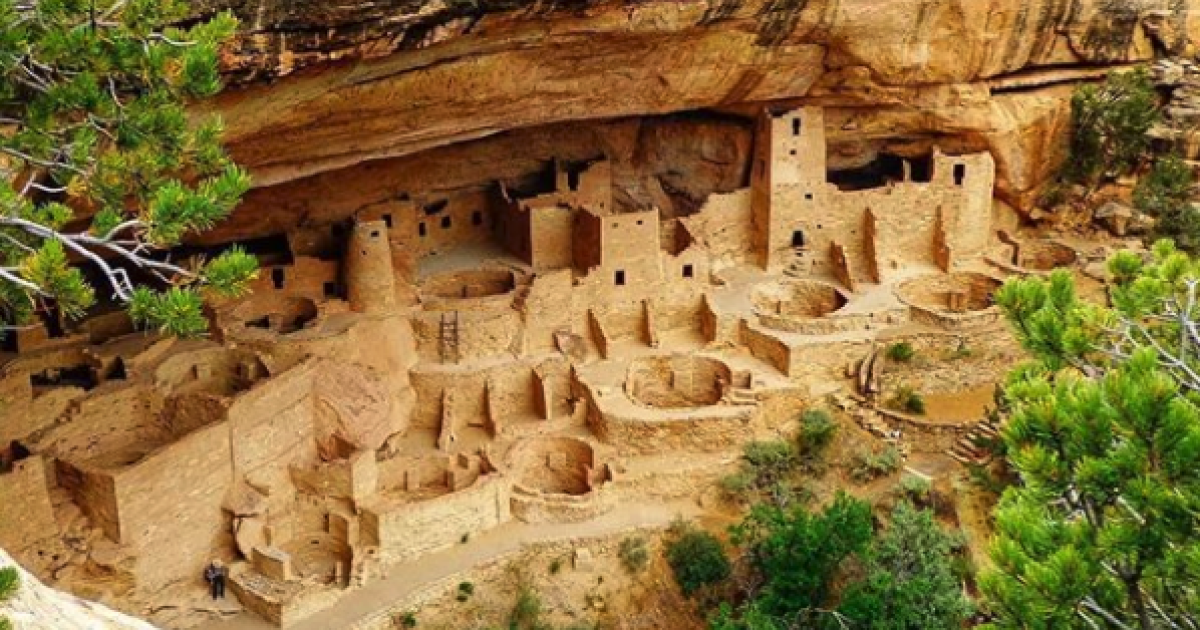
The most iconic features of Mesa Verde National Park are undoubtedly the cliff dwellings. These structures, built into the cliffs and alcoves of the canyons, showcase the ingenuity and architectural prowess of the Ancestral Puebloans. Notable cliff dwellings include Cliff Palace, Balcony House, and Spruce Tree House.
1. Cliff Palace: With over 150 rooms, Cliff Palace is the largest cliff dwelling in North America. Its multi-story structure, intricate masonry, and strategic location highlight the advanced building techniques employed by the Ancestral Puebloans.
2.
Balcony House: Balcony House is known for its challenging access, requiring visitors to climb a 32-foot ladder and crawl through a tunnel. The site provides a glimpse into the community's communal living spaces and ceremonial rooms.
3. Spruce Tree House: One of the best-preserved cliff dwellings, Spruce Tree House features well-preserved kivas, living quarters, and storage rooms. It offers a vivid snapshot of daily life in Mesa Verde over 700 years ago.
The Great Kivas: Ritual and Community
Kivas, circular subterranean rooms used for ceremonial and religious purposes, are integral to understanding the spiritual life of the Ancestral Puebloans.
Mesa Verde is home to numerous kivas, each revealing aspects of the community's belief system and social structure. The Great Kiva at Casa Rinconada is particularly significant, showcasing the importance of communal rituals in Ancestral Puebloan society.
Decline and Abandonment
Around the late 1200s, the Ancestral Puebloans began to abandon Mesa Verde and the surrounding region. The reasons for their departure remain a subject of scholarly debate, with factors such as climate change, resource depletion, and social upheaval all playing potential roles. Despite their departure, the legacy of the Ancestral Puebloans endures in the archaeological remnants they left behind.
Discovery and Preservation
Mesa Verde's archaeological significance was officially recognized in the late 19th century when ranchers and explorers stumbled upon the cliff dwellings. In 1906, President Theodore Roosevelt designated Mesa Verde as the first cultural park in the National Park System, preserving not only the architectural wonders but also the cultural heritage of the Ancestral Puebloans.
Today, Mesa Verde National Park continues to be a hub for archaeological research, education, and cultural preservation. The park's Visitor and Research Center provides valuable insights into ongoing archaeological projects and offers visitors a deeper understanding of the Ancestral Puebloan civilization.
Experiencing Mesa Verde
Visiting Mesa Verde National Park is a journey into the past, allowing travelers to connect with the cultural heritage of the Ancestral Puebloans. The park offers a range of activities for visitors, from ranger-led tours of the cliff dwellings to hiking trails that showcase the breathtaking views of the surrounding landscape.
Guided tours of the cliff dwellings provide context to the structures' historical and cultural significance. The popular Mesa Top Loop Road allows visitors to explore mesa-top sites, including pit houses, pueblos, and petroglyphs, providing a comprehensive view of the ancient civilization's daily life.
Cultural Sensitivity and Preservation
Preserving Mesa Verde and its archaeological treasures is a collective responsibility. Visitors are encouraged to approach the sites with respect, refraining from touching or disturbing the ancient structures. By practicing responsible tourism and respecting the cultural significance of Mesa Verde, we contribute to the ongoing efforts to safeguard this invaluable heritage for future generations.
Conclusion
Mesa Verde National Park stands as a living testament to the ingenuity, resilience, and cultural richness of the Ancestral Puebloans.
The cliff dwellings, kivas, and artifacts scattered across the park's landscape offer a tangible link to the past, inviting us to explore the mysteries of a civilization that thrived in harmony with the challenging environment of the American Southwest.
As we walk the paths of Mesa Verde, we not only marvel at the architectural achievements but also pay homage to the enduring spirit of the people who called this region home. Mesa Verde National Park beckons us to contemplate the interconnectedness of human history and the importance of preserving our cultural heritage for generations to come.
No comments